

New Designers always brings together the cream of the crop from the graduating year for a short show where these designers get to present themselves to a discerning audience of industry professionals who are searching for the new ideas and the new directions in which the industry may follow.
In many ways, students are the signs of where trends really might be heading as they absorb so much around us and are completely free to explore their concepts. The rest of the industry is tied to producing products which sell without the necessary exploration of what could be or what might be in the future.
I was really pleased to be invited to judge the New Designer of the Year Award 2013 and get the opportunity to see, up close, the work of the design graduates. The day began meeting fellow judges Nina Jenkins (Virgin Atlantic Airways), Anthony Dickens, Ben Leedham (Barclays), Joe Ferry (Vertu), Dan Ziglam (deadgood) and a quick tour of the show to scout for the designs that stood out the most.
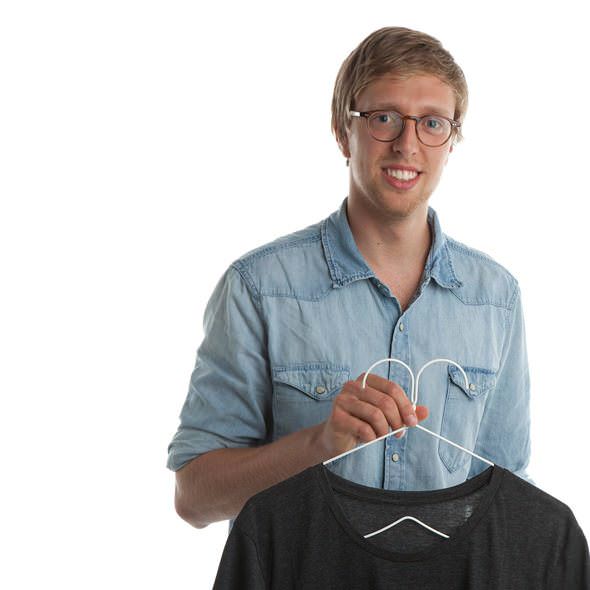
Having shortlisted the designers we settled upon three great designers, all of whom were worthy winners. After a final vote it was clear that Northumbria University designer Henry Franks had the approval of all the judges.
Henry Franks is interested in problem solving and innovative ideas. His work investigates how to encourage the user to re-think and re-engage with what are often overlooked everyday objects and how these products can be improved.
“I am fascinated by the analysis of human interaction with everyday objects and exploring how my product ideas, designed with a humorous approach, can alter people’s perspective and relationship with objects.”
As judges we agreed and added that “Henry reimagines everyday objects with the various attributes of dyslexia. He joyfully combines utility with human behaviour resulting in a clever, well rounded collection, brimming with unique ideas.”
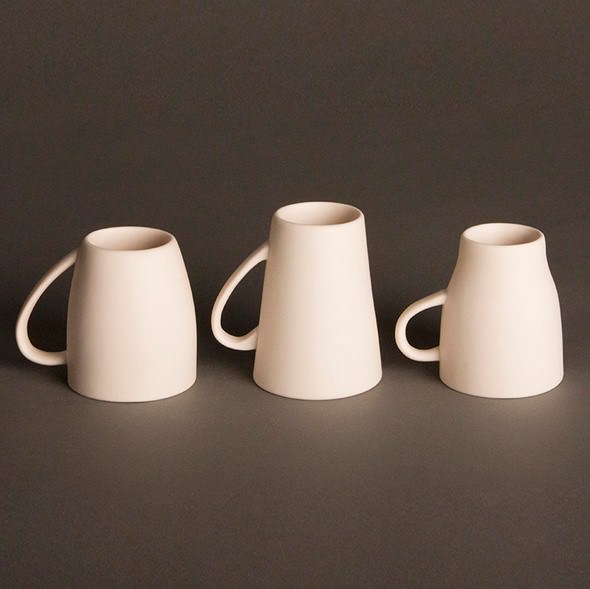


These products are part of a range of ‘dyslexic objects’ designed in response to his own dyslexic condition encouraging the user to re-engage with ordinary objects and subject people to products with a higher emotional function.
Inversion and flipping of letters and words is common when reading for dyslexics and is one of many reasons why dyslexics have trouble when learning to read. These three mugs illustrate inversion and as a result are more stable and more balanced in the hand because the handle position being (upside down and) lower down than normal. This gives a more comfortable pour when drinking due to where the centre of gravity is.
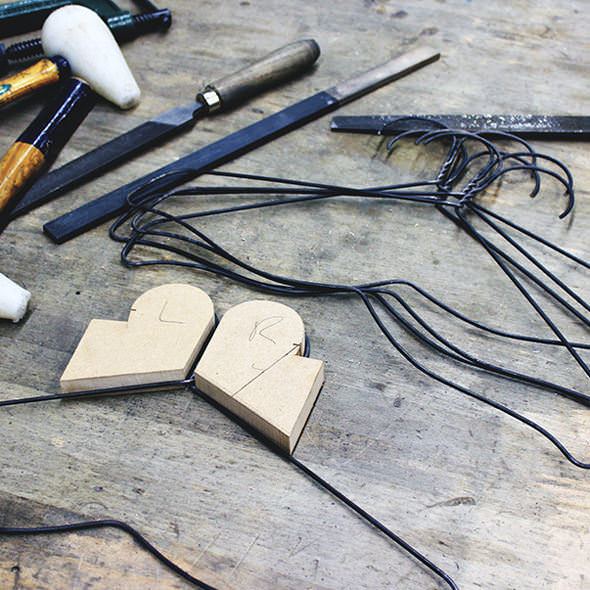
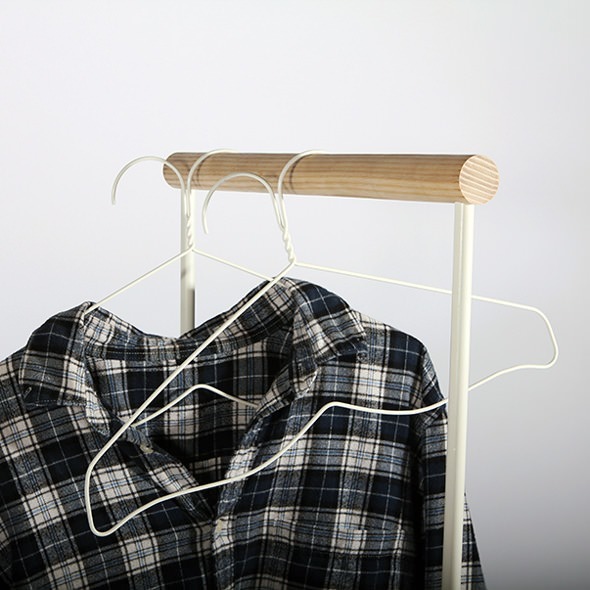
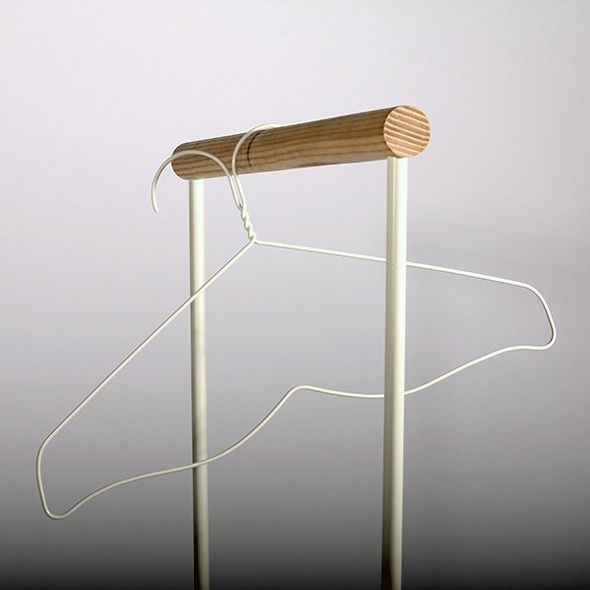
Chronic distraction is a symptom dyslexics have to battle with daily and they often don’t pay attention to certain things or have a short attention span. The Confused Coat Hanger wasn’t paying attention when being told which way round it was supposed to be because it was daydreaming about whales (note whale tail shape) and as a result has a double hooked head. The benefit of this is that it can hang either way round when hanging your clothes up so you don’t have to turn the hanger around.

These pen pots all have terrible memory due to their dyslexia and can only remember a couple of things at a time. In this case only a pen and a pencil, or two different pens. The benefit of this is that it changes the nature of what a pen pot is. The dyslexic pen pots forces you to only have a pen and a pencil or two pens and have a special place for them.
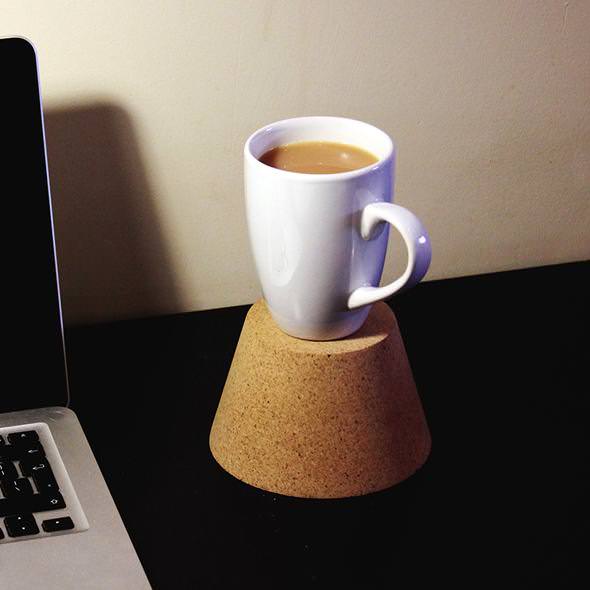
This coaster misread the dimensions it was supposed to be and hasn’t understood the question (classic dyslexic). As a result it is more of a plinth than a coaster. The Coaster Plinth is designed to make one more aware of the mug and less likely to knock it over by elevating it.
All of Henry’s ideas have a positive ideology rather than a negative, depressing affect on the viewer. It was a breath of fresh air to see a designer who can produce products which raise awareness of conditions such as dyslexia without taking itself to seriously. There is plenty of room for products which ‘fix’ the condition but with Henry’s work it is about making us all aware of the challenges he goes through on a daily basis.
Henry tells me “I’m going to spend the next few weeks setting up factory partnerships to try and get some of my work in to production.” He is also considering what to during the London Design Festival as he would love to be involved in some capacity after which he will begin his MA at the Royal College of Art to further his studies.
I am sure that he will have a great future ahead of him as he begins his career as a product designer.

1 Comment